
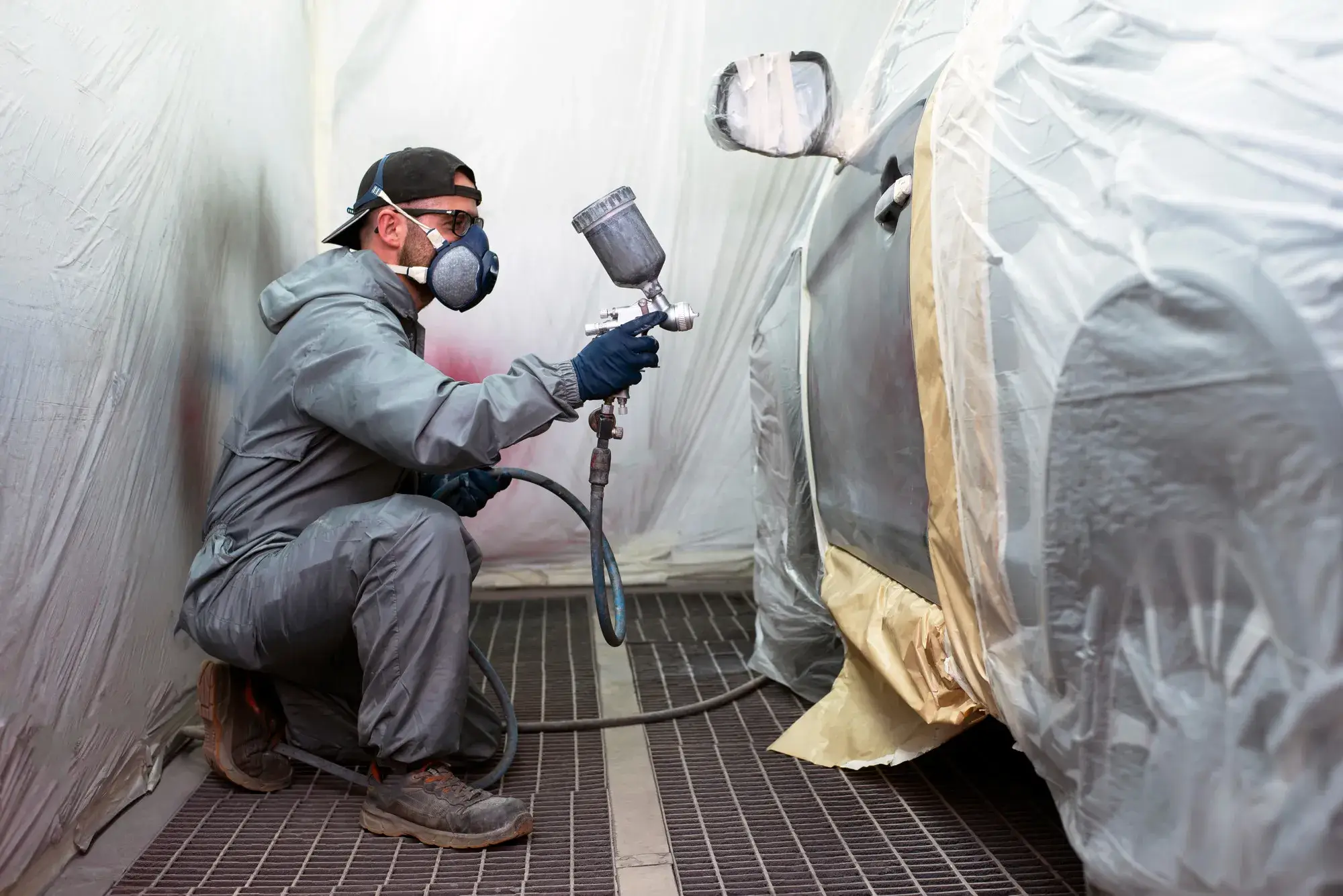
Are you waiting to see your car’s paint shine like it did in the showroom? It can be disheartening
to see swirl marks and scratches ruining the surface of your vehicle. Luckily, there’s a solution;
it’s called Paint Correction! This process not only brings your car’s paint back to life, but also
protects it, making your car look brand new again.
Paint correction is a process that aims to kill any imperfections on a car’s paintwork and restore
its original shine. It can be done as part of regular maintenance or to apply a protective film that
safeguards against scratches, UV rays, and other environmental factors. The advantages of paint
correction are plentiful. This treatment involves carefully assessing the condition of the paint,
choosing the right tools and compounds, and then getting rid of defects like swirl marks, oxidation
fading, water spots, and etching that may have accumulated over time. The cost varies depending on
the extent of the correction, but it’s definitely worth it to maintain your vehicle’s flawless
appearance and protect it from wear and tear. So, how does one go about performing paint correction?
Let’s go through each step of the paint correction process to understand exactly what it takes to
preserve that smooth finish.
to see swirl marks and scratches ruining the surface of your vehicle. Luckily, there’s a solution;
it’s called Paint Correction! This process not only brings your car’s paint back to life, but also
protects it, making your car look brand new again.
Paint correction is a process that aims to kill any imperfections on a car’s paintwork and restore
its original shine. It can be done as part of regular maintenance or to apply a protective film that
safeguards against scratches, UV rays, and other environmental factors. The advantages of paint
correction are plentiful. This treatment involves carefully assessing the condition of the paint,
choosing the right tools and compounds, and then getting rid of defects like swirl marks, oxidation
fading, water spots, and etching that may have accumulated over time. The cost varies depending on
the extent of the correction, but it’s definitely worth it to maintain your vehicle’s flawless
appearance and protect it from wear and tear. So, how does one go about performing paint correction?
Let’s go through each step of the paint correction process to understand exactly what it takes to
preserve that smooth finish.
Paint Correction Process
To truly grasp the concept of paint correction, one must understand that it is a long procedure
that demands skill, expertise, and the right tools. This process involves several steps,
starting with the removal of dirt and dust from the surface. Then, the condition of the paint is
carefully assessed to identify any imperfections like swirl marks, scratches, fading, or
etching. Based on the extent of damage, suitable materials are chosen for the correction
process.
1. Assessing the Paint’s Condition
The first step in paint correction is analyzing the condition of the paint to determine the
appropriate approach. This involves identifying the type and severity of imperfections. By
doing so, technicians can choose the right method, as some may require more force or
specialized equipment. Tools like buffers, buffing pads, clay bars, and machine polishers
are commonly used to assess the level of damage measuring pressure, identifying the cause,
and evaluating the resistance of the paint.
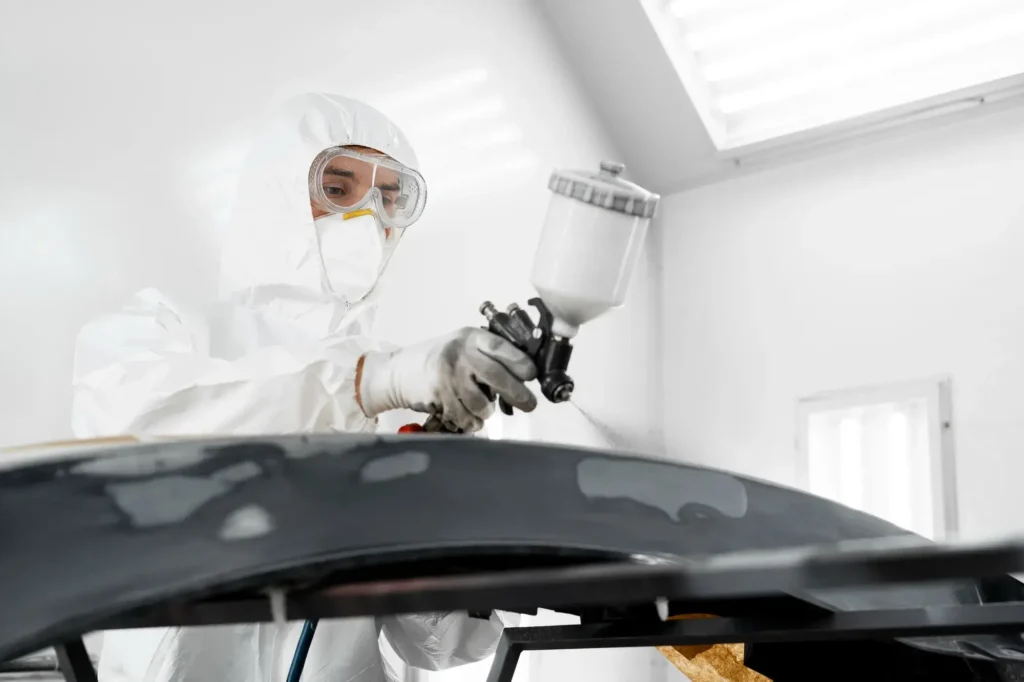
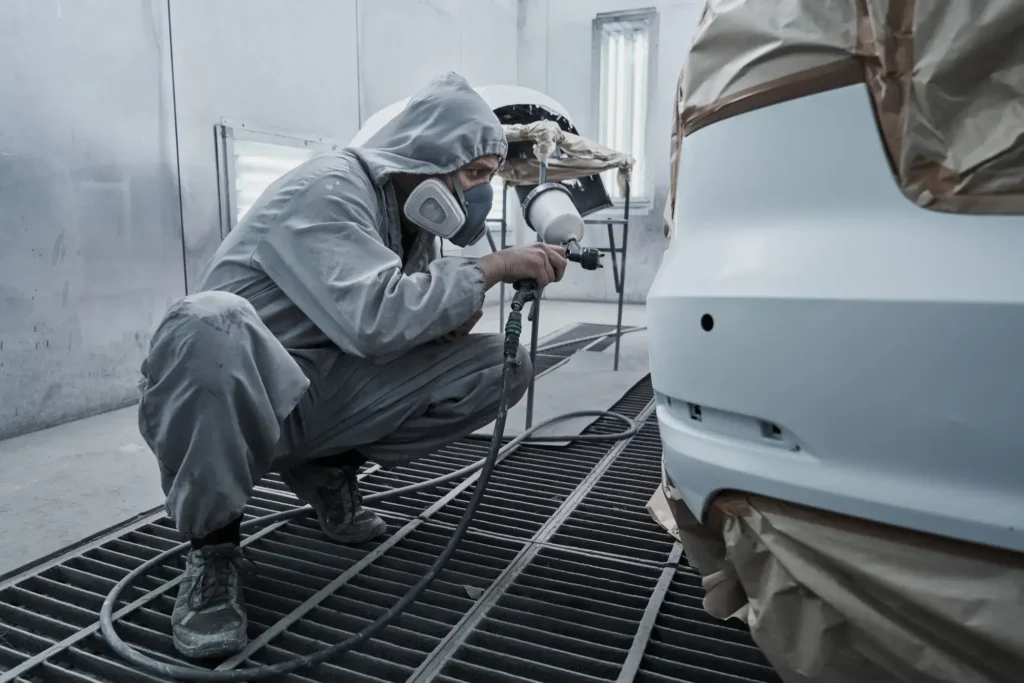
2. Choosing the Correct Tools and Compounds
When it comes to paint correction, it’s crucial to pick the appropriate products and materials.
There are various tools, polishes, abrasives, and compounds to choose from. The size of the
surface being corrected should be taken into consideration when selecting a pad diameter. Foam
pads with lighter density are more suitable for light/medium defects or refinishing purposes.
Different types of paints require specific compounds, like cutting compounds for swirl removal,
to eliminate scratches that can detract from your car’s overall appearance if not addressed.
3. Performing the Paint Correction
When conducting paint correction, expertise and skill are vital to ensure the preservation of
the vehicle’s paint. The correct approach must be followed when addressing surface scratches or
imperfections. Sanding around affected areas for a smooth finish before using a cutting
compound/polish, followed by a finishing polish to enhance the shine of the treated area, is
essential. To safeguard these newly corrected areas from wear and tear, wax can be applied as a
protective barrier to maintain their appearance over time. It’s important to apply the correct
pressure and use clean cloths throughout the entire process.
Best Paint Correction Studio in Sydney!
Say goodbye to swirl marks, oxidation, and water spots, and hello to a showroom-worthy shine.
Make your car’s appearance look from zero to hero with Shield Street’s professional paint
correction services! Trust, our professionally qualified team to deliver flawless
results. With
Shield Street, you’re not just getting a
service—you’re investing in the longevity and beauty of
your vehicle. Reach out to us & take the first step towards a stunning finish today!